Italiano
What a phygital event is, in plain terms
Phygital blends the words physical and digital. Applied to events, it means designing a single experience for both in-room and remote attendees from the very start, instead of treating them as two separate events.
It isn't one piece of technology you buy — it's a way of combining tools you may already use, such as video conferencing, cloud storage, single sign-on (SSO, meaning one login for every service) and social media, so attendees can move between physical and digital without friction.
The market for these solutions is already sizeable: according to Virtue Market Research, it reached $25 billion in 2023 and is expected to grow at an 11.2% annual rate through 2030.
Why it matters for event organizers
During the pandemic, many agencies had to move their events online just to keep working. That experience made one thing clear: a digital event isn't "just a video call". It's a structured journey that starts with registration, continues through interaction during the event, and carries on afterward with content and follow-up.
Now that in-person events are back, organizers have to manage both worlds together — and that's exactly where phygital thinking helps even without a technical background: it clarifies which tools to choose and in what order to introduce them.
The tools that make it possible
- Streaming platforms with professional production, to broadcast the event live with TV-level quality.
- Networking apps, with chat and live polls to connect in-room and online attendees.
- Augmented and virtual reality (AR/VR), to create immersive environments even remotely.
- Cloud computing, to share content and materials from any device.
- Single sign-on (SSO), so attendees access every service with one login instead of multiple passwords.
- Analytics, to measure attendance, engagement and overall event results.
The real benefits
| Benefit | What it means in practice |
|---|---|
| Wider reach | You reach people who can't attend in person |
| Personalization | Tailored experiences based on data collected during the event |
| Continuous engagement | Chat, polls and Q&A keep attention high, in the room and online |
| Lower logistics costs | Less travel and hospitality to manage for remote attendees |
| Sustainability | Less travel means a smaller environmental footprint |
Getting started: 4 practical steps
- Define the physical core of the event. Decide what happens in the room and why it's worth attending in person.
- Choose a streaming and production platform. It's the bridge between the room and remote attendees.
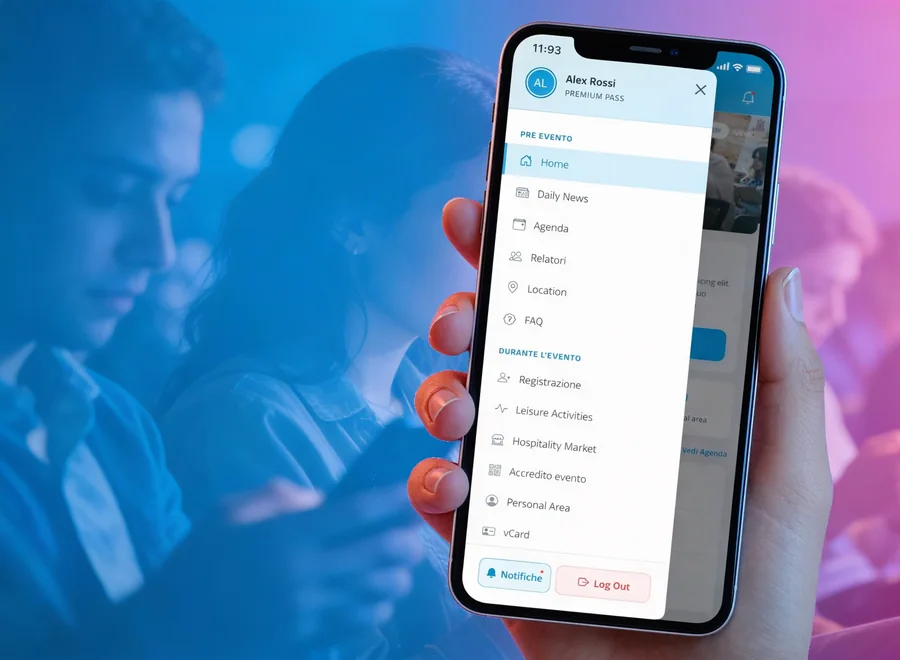
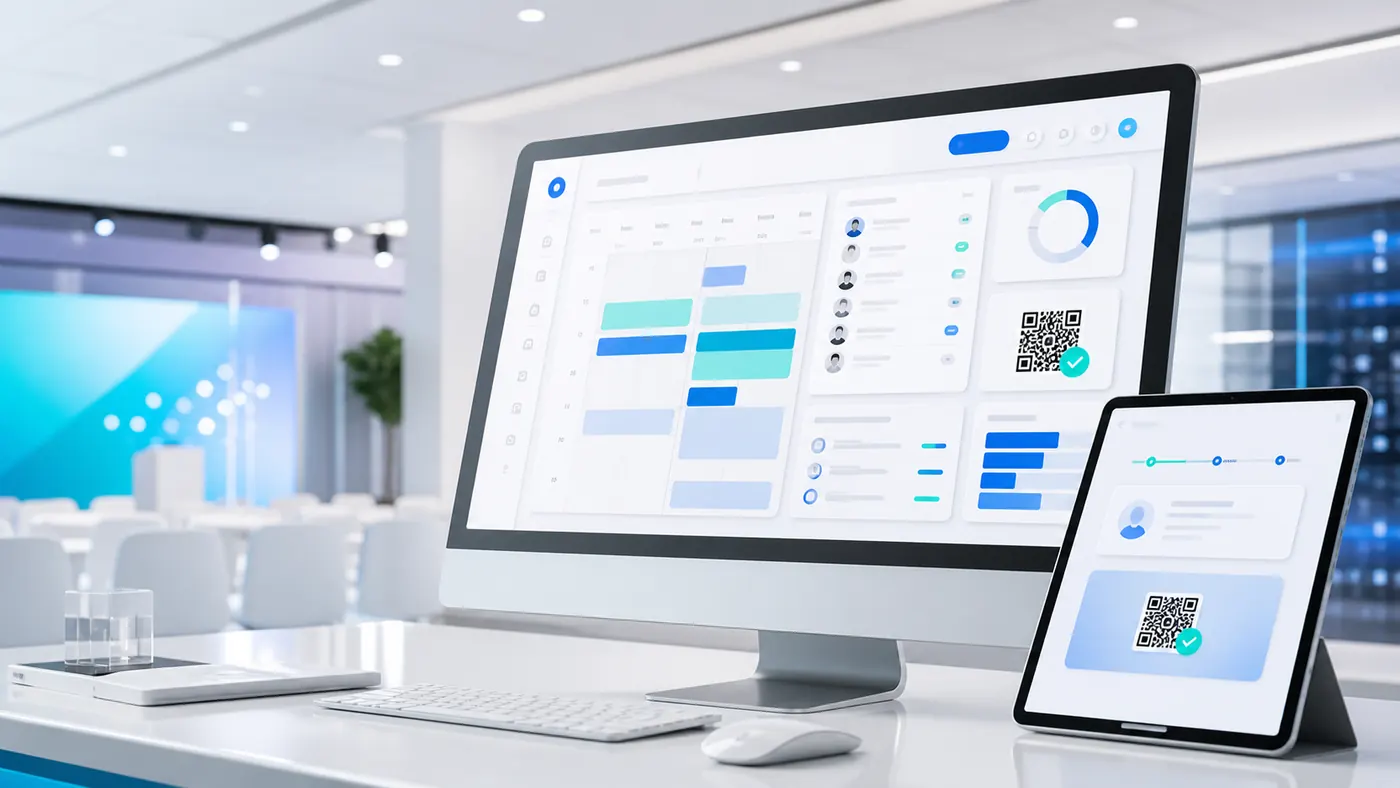
- Add digital accreditation and check-in. It simplifies entry and gives you your first data on attendees.
- Layer in interaction and analytics. Live polls, chat and post-event reporting close the phygital loop.
Real case: I.T.S. Planet and Virtualspace
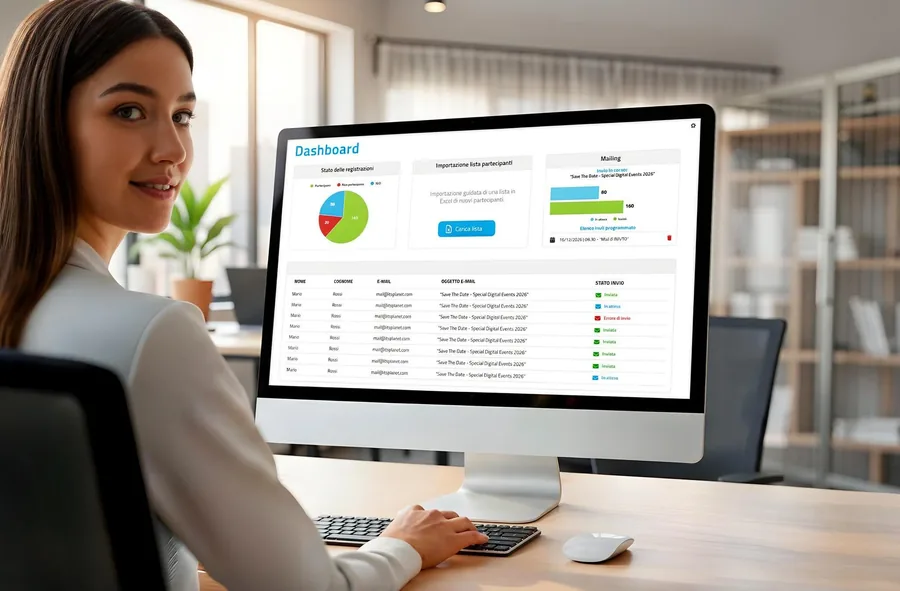
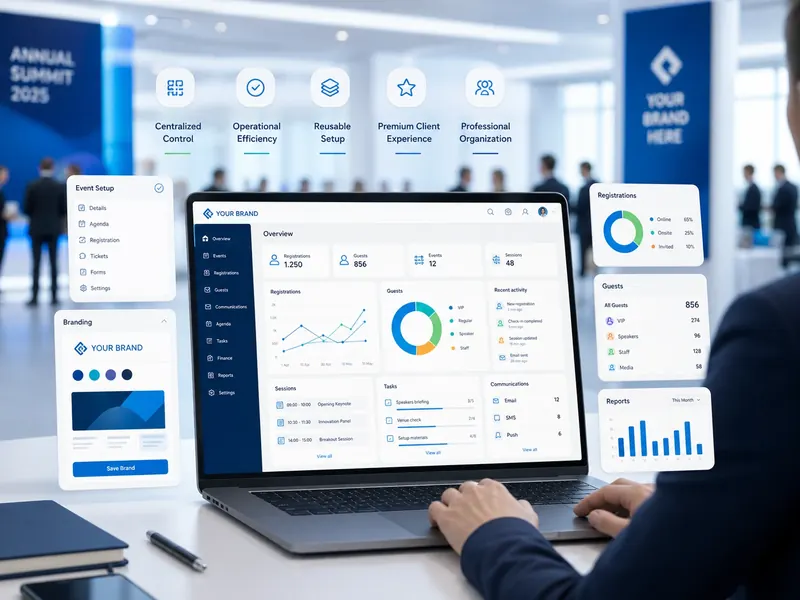
I.T.S. Planet developed Virtualspace, a platform for digital and phygital events that brings streaming, production, real-time interaction, live polls and note-taking tools together in a single interface.
It has been adopted by several agencies and organizations to build tailored experiences. Its strength isn't a single feature, but the fact that all the tools work together, without forcing organizers to jump between systems.
Frequently asked questions
A phygital event combines in-person and digital participation into a single coherent experience, rather than treating them as two separate events. People in the room and people watching online follow the same story, using different tools. They're very close. Hybrid describes having an audience both in the room and online; phygital adds the idea that both experiences are designed together from the start, with networking, content and interaction built for both audiences. You mainly need a streaming platform with professional production, an app or site for networking and live polls, a digital check-in system, and analytics tools to measure results. You don't need advanced technical skills — platforms designed for event organizers handle the complexity. Often yes, because it reduces travel and hospitality costs for remote attendees while keeping a high-value physical core. Savings should be weighed against the investment in platform and technical production.What does "phygital event" actually mean?
Is a phygital event the same as a hybrid event?
What tools do I need to organize a phygital event?
Does phygital save money compared to an in-person-only event?
The future is hybrid
The real revolution behind phygital isn't technological — it's cultural. It has trained event organizers to use technology deliberately, not as a substitute for in-person experience but as its complement.
With in-person events back for good, digital's advantages aren't going away: they're being folded in. The future is hybrid, modular, tailor-made events — where the value of face-to-face meeting merges with the flexibility of digital.